
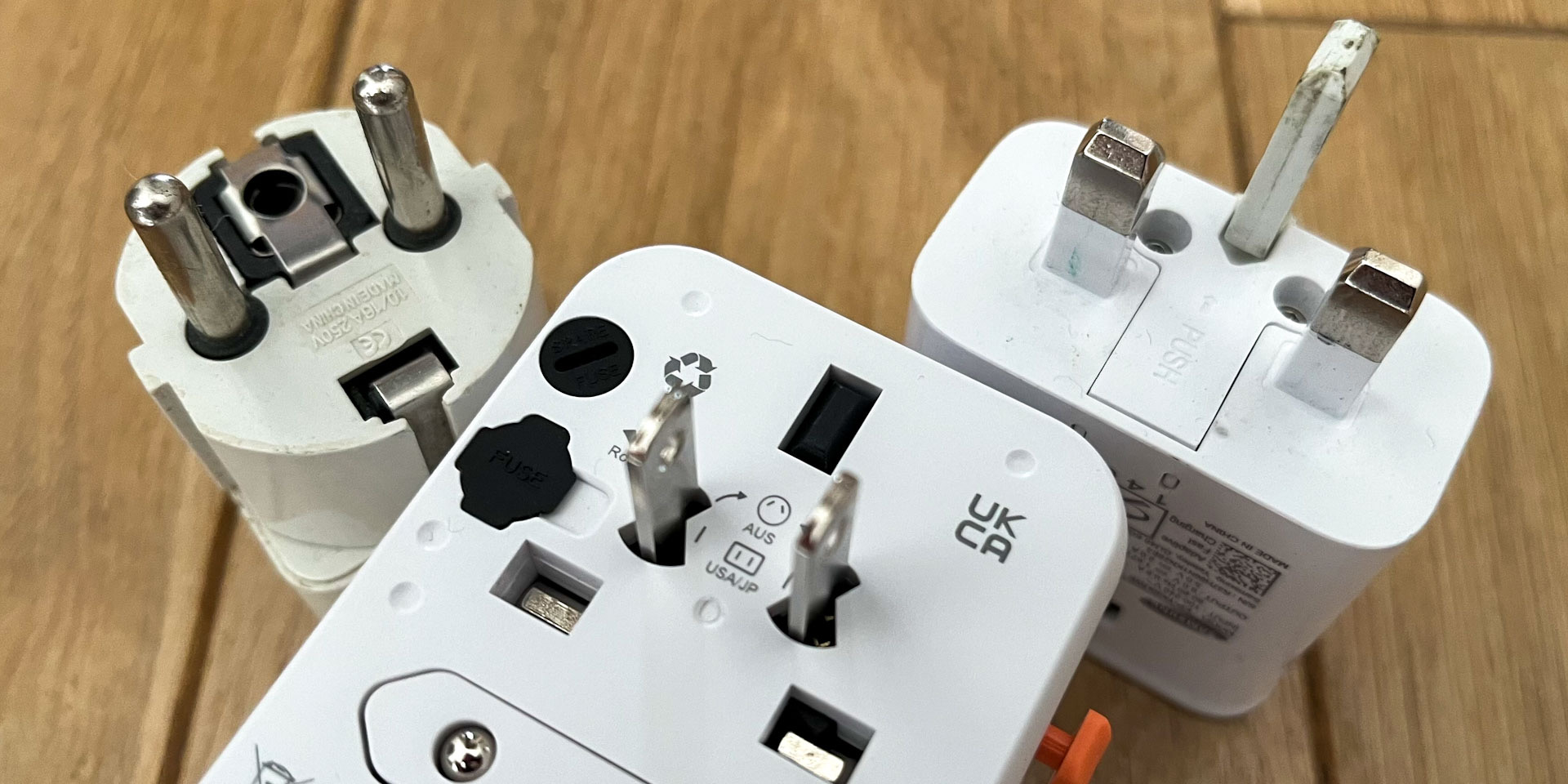
Ah, the joys of international travel: new cultures, exotic foods, stunning landscapes, and… a tangled mess of charging cables and adapters that could rival Medusa’s hair. Yes, dear tourist, welcome to the unavoidable electricity dilemma. No, I’m not talking about being stranded in the wilderness with nothing but a solar charger and a prayer. I’m talking about that moment of dread when you realize your carefully packed charger doesn’t fit the outlet in your charming hotel room. Or worse, it fits perfectly, but the ensuing smoke suggests your charger is now auditioning for a role in “Disaster Movie: Electronics Edition.”
The ABCs (and XYZs) of Plugs
Did you know engineers have classified power plugs with letters? Someone clearly thought, “Why not use the whole alphabet and scatter these letters across the globe like confetti at a wedding?” So here we are, hopping from Type C and F in continental European countries to A and B in the USA, then back to G in the UK, all while attempting to remember if Z is a plug type or just a leftover from a game of Scrabble.
Let’s break it down:
Type C & F: Continental Europe’s favourite – two round pins. Simple, elegant, and confusingly prevalent.
Type A & B: USA’s signature style – two flat parallel pins for Type A, with an added grounding pin for Type B. Because, you know, grounding is important.
Type G: The UK’s three rectangular prongs, which are also used in some far-flung corners of the globe. Fancy and slightly intimidating.
But wait, there’s more! It’s not just the shape of the plugs. Oh no, that would be too easy. Voltage variations add an extra layer of fun to this electric puzzle.
Voltage Adventures
Europe: 220-230 volts – enough to make your hair stand on end.
USA: 110 volts – half the voltage, twice the confusion.
Japan: 100 volts – and just to spice things up, different frequencies: 50 Hz in the east (Tokyo) and 60 Hz in the west (Osaka). Because why not?
United Arab Emirates: 230 volts – keeping things consistent with Europe, just to throw you off the scent.
Quick tip: The USA and Japan use the same plug shapes but at different voltages. Plugging your device into the wrong socket could lead to a dramatic, albeit unintentional, fireworks display. Always check the voltage on your charger before plugging it in.
Simplifying the Madness
If all this plug and voltage talk has your head spinning, don’t despair. Many public transport systems, hotels, and public areas now offer USB charging points. Just plug in your cable, and you’re good to go. But, of course, there’s a twist. The classic USB-A ports are still common, but the new USB-C ports are slowly taking over. So, make sure you’re packing the right cable.
General Tips for All Destinations
Check Device Compatibility: Ensure your charger supports the voltages of your destination. This can usually be found in the fine print on the charger itself.
Universal Adapter: Invest in a universal travel adapter that covers multiple plug types and has the output sockets you need. It’s the Swiss Army knife of the charging world.
USB Charger: A multi-port USB charger can save you from carrying multiple adapters. Charge all your devices in one go – it’s almost like magic.
Portable Power Bank: A portable power bank is your best friend on long travel days. It’s the hero you deserve and the one you need right now.
So, dear traveler, as you embark on your next great adventure, may your journeys be charged with excitement, your devices be powered up, and your adapters be ever in your favor. Happy travels and even happier charging!